Computational Thinking – More Than Just Being Able to Program


Computational Thinking – More Than Just Being Able to Program
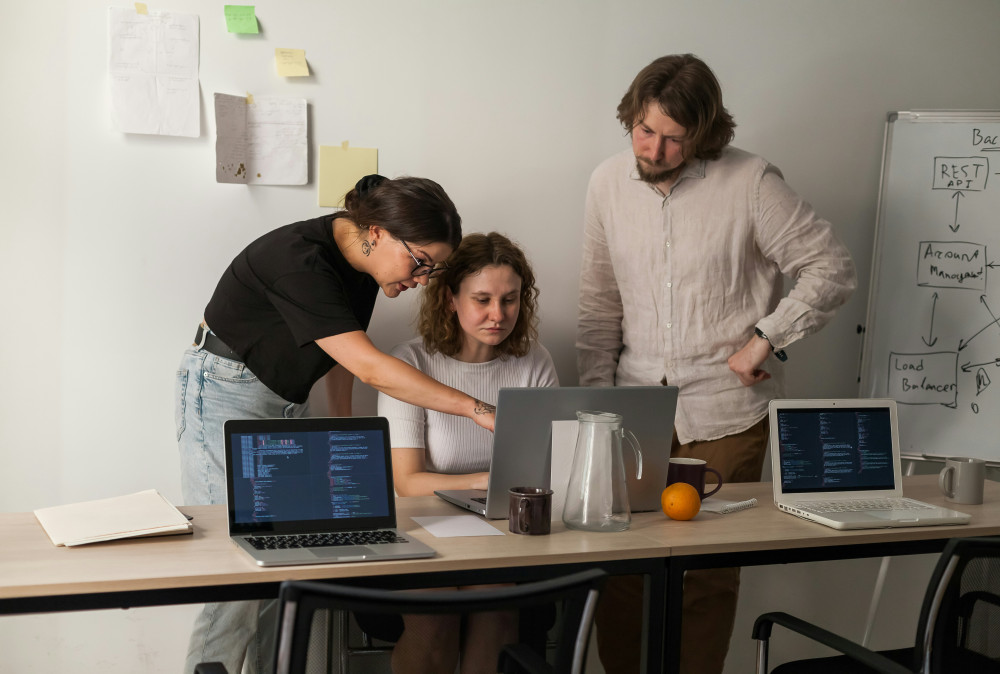
When people hear the term computational thinking, they often associate it with programming. But the concept goes far beyond writing code. It’s a way of approaching problems — a systematic method for analyzing complexity, designing solutions, and understanding how processes can be automated or optimized. In today’s digital world, computational thinking is a fundamental skill, not only for computer scientists but for anyone who works with data, technology, or innovation.
What Is Computational Thinking?
The term gained widespread attention in the mid-2000s, thanks to computer scientist Jeannette Wing, who described computational thinking as the ability to formulate problems and solutions in a way that a computer — or a human — can carry out effectively.
It involves several key components:
- Abstraction – identifying patterns and focusing on what truly matters while ignoring unnecessary details.
- Algorithmic thinking – describing a process step by step to achieve a desired outcome.
- Decomposition – breaking down a complex problem into smaller, more manageable parts.
- Evaluation – assessing whether a solution is correct, efficient, and scalable.
These skills are not tied to any specific programming language. They can be applied in fields as diverse as biology, economics, education, and public policy.
Why It Matters
Technology shapes nearly every aspect of modern life — from how we communicate to how we make decisions. Understanding computational thinking helps us move from being passive consumers of technology to active participants who can question, design, and improve the systems around us.
For students, it means learning to think both analytically and creatively. For businesses, it means having employees who can structure complex tasks, automate repetitive work, and find smarter solutions. And for society, it means cultivating citizens who can think critically about algorithms, data, and artificial intelligence — and the ethical questions they raise.
More Than Code – A Way of Thinking
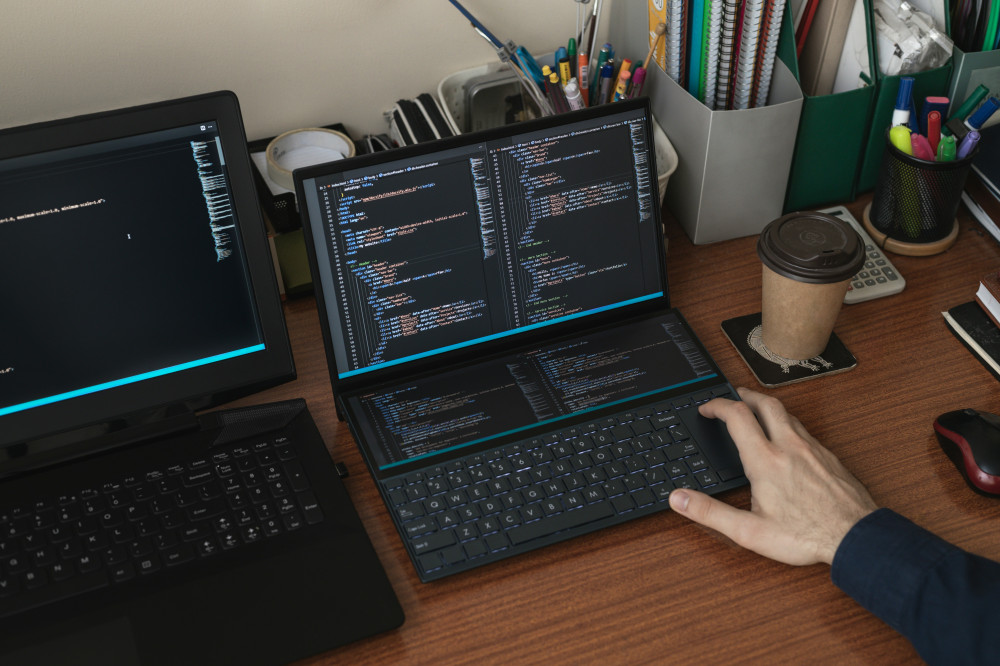
Programming is a tool, but computational thinking is the mindset behind it. A person can write code without truly thinking computationally, while someone else — a biologist, architect, or teacher — can apply computational thinking without ever opening a coding environment.
Consider a biologist analyzing genetic data. When she identifies patterns in DNA sequences and designs a method to detect mutations, she’s using computational thinking. A teacher who breaks down a complex topic into smaller lessons and builds a logical progression through the material is doing the same. The essence lies in structured problem-solving, not in syntax or software.
Læs også:



Computational Thinking in Education
Across the United States, schools and universities are increasingly integrating computational thinking into their curricula — not only in computer science classes but also in math, science, and even the humanities. The goal is to help students understand how digital solutions are created and how they can design their own.
This isn’t about turning everyone into a programmer. It’s about giving students a set of mental tools they can use in any field. When students learn to think like computer scientists, they also learn to think logically, experimentally, and creatively — skills that are valuable in every profession.
From Theory to Practice
Developing computational thinking takes practice. Coding is one way to do it, but so are activities like designing games, building robots, or analyzing real-world data. The key is to engage with concrete problems that require planning, testing, and refining solutions.
A good starting point is to ask questions such as:
- How can I describe this problem so that a computer could understand it?
- Are there patterns or repetitions I can identify?
- How can I make my solution more efficient or elegant?
These questions encourage reflection — and that’s where computational thinking truly begins.
A Skill for the Future
As artificial intelligence, automation, and data analysis continue to transform industries, computational thinking is becoming a core competency for the 21st century. It helps us understand how technology works and how to use it responsibly and creatively.
Computational thinking is not just a technical skill — it’s a way of understanding the world. It combines logic, creativity, and ethics to help us navigate the challenges and opportunities of our increasingly digital society.
Læs også: