Digital Habits: How Personal Devices Shape Our Everyday Lives

Digital Habits: How Personal Devices Shape Our Everyday Lives
Smartphones, tablets, smartwatches, and laptops have become constant companions in American life. They wake us up, guide us through our schedules, and entertain us before bed. But how do these devices actually shape our habits, relationships, and ways of thinking? Personal technology hasn’t just changed how we communicate—it has redefined our routines, attention, and sense of self.
A Day Driven by Notifications
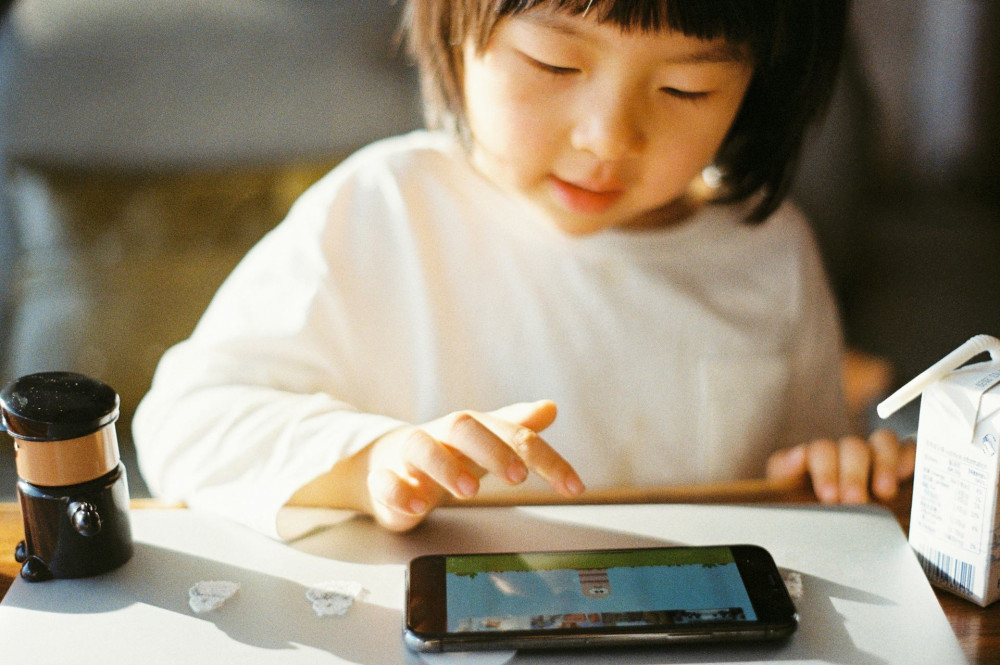
For many Americans, the day begins with a glance at the phone. Before even getting out of bed, we’ve checked messages, headlines, and social media updates. Notifications act like tiny taps on the shoulder, constantly reminding us that something needs our attention. This can create a sense of being “always on,” even when we’re trying to relax.
Studies show that frequent interruptions make it harder to focus and can increase stress levels. At the same time, those quick digital check-ins offer small bursts of reward—a dopamine hit when we see a new message or a like. It’s a delicate balance between convenience and overstimulation.
Social Connections—Closer Yet More Complicated
Personal devices have made it easier than ever to stay in touch with family, friends, and coworkers. We can share moments instantly, no matter where we are. For many, this has strengthened relationships, especially across long distances.
Yet constant availability also brings new expectations—instant replies, constant updates, and the pressure to stay engaged. Conversations often move from physical spaces to digital ones, changing how we experience presence and intimacy. Some people feel more connected than ever, while others report feeling strangely isolated despite being constantly online.
The Blurred Lines of Work and Home
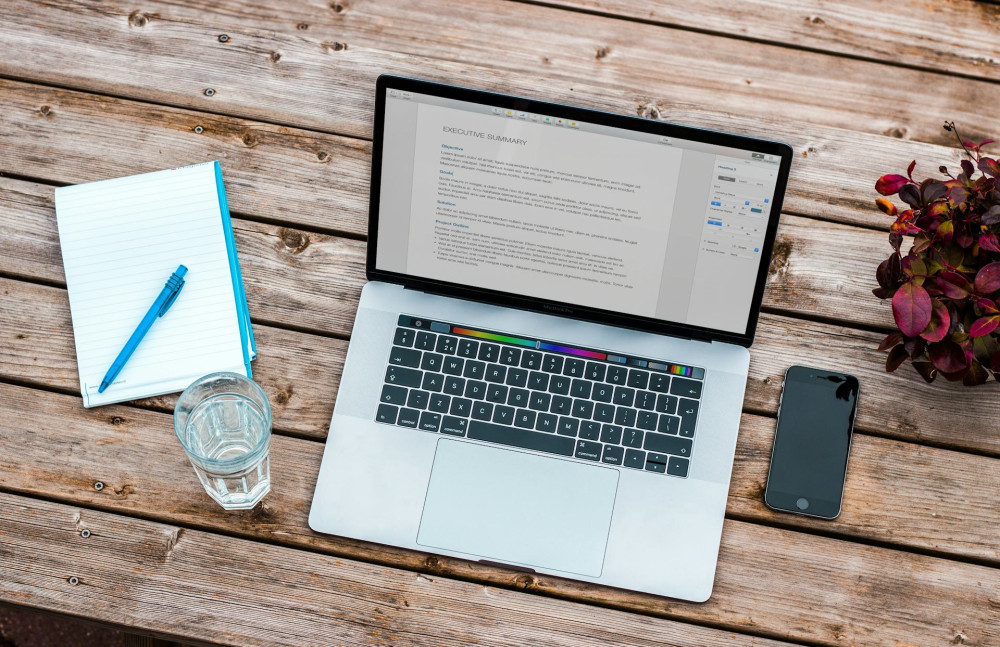
With laptops and smartphones, work is no longer confined to the office. We can answer emails on the train, join meetings from the kitchen, and collaborate across time zones. This flexibility has become a hallmark of modern American work culture, especially since the rise of remote and hybrid work.
But the downside is that the boundary between work and personal life can easily fade. Many employees feel they never fully “log off.” Companies are beginning to recognize this, introducing policies that encourage digital breaks or “no-email” hours to prevent burnout. Finding balance has become a shared responsibility between employers and workers.
Health and Sleep Under Pressure
Screen time affects not only our mental focus but also our physical well-being. Many Americans use their phones as alarm clocks, meaning the screen is the last thing they see before sleep and the first thing they see in the morning. Blue light can disrupt sleep patterns, and the constant flow of information makes it harder to unwind.
At the same time, personal devices have opened new doors for health and wellness. Smartwatches track heart rate, sleep, and activity, while apps help users manage diet, exercise, and mindfulness. Technology can be both a challenge and a tool for better balance—it all depends on how we use it.
Digital Awareness—A Modern Necessity
Living with personal devices today requires a kind of digital mindfulness. It’s not about rejecting technology but about using it intentionally. Many Americans are setting “screen-free zones” at home, turning off notifications, or using apps that monitor and limit screen time.
The key is to regain control over when and how we’re online. When we treat technology as a tool rather than a reflex, it can enrich our lives instead of dominating them.
Læs også:


A Future of More Conscious Use
Personal devices will continue to evolve and become even more integrated into daily life. Artificial intelligence, voice assistants, and wearable tech will make experiences more personalized and seamless. The question is whether we can maintain our ability to be present—both digitally and physically.
Understanding our digital habits is not just about technology; it’s about quality of life. The goal is to find a rhythm where our devices work for us—not the other way around.
Læs også: