Use Your Digital Device as a Learning Tool and Develop New Skills


Use Your Digital Device as a Learning Tool and Develop New Skills
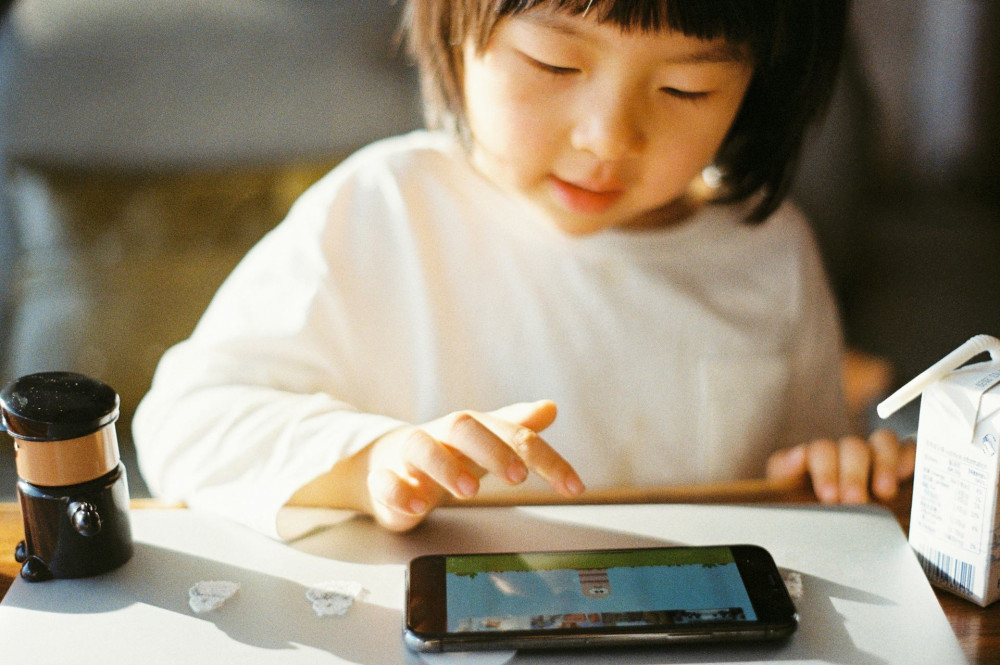
Your smartphone, tablet, or laptop is more than just a source of entertainment or a way to stay connected. It can be your personal learning hub—a tool that helps you build new skills, expand your knowledge, and boost your creativity. Whether you want to learn a new language, strengthen your digital literacy, or explore a creative hobby, countless opportunities are right at your fingertips. Here’s how you can turn your digital device into an active learning tool in your everyday life.
Learn on Your Own Terms
One of the biggest advantages of digital learning is flexibility. You can learn whenever it fits your schedule—on your commute, during lunch breaks, or while relaxing at home. Many online courses and learning apps are designed in short, manageable lessons, allowing you to make progress even with just a few minutes a day.
You don’t need to dedicate entire evenings to studying. Ten minutes here and there can be enough to keep you moving forward. The key is to create a routine that makes learning a natural part of your day.
Læs også:


Find the Right Platform
There’s a wide range of digital learning platforms available, and the best one for you depends on what you want to learn. Here are a few examples:
- Languages and communication: Apps like Duolingo, Babbel, and Memrise make it easy to learn new languages through short exercises and games.
- Creative skills: Platforms such as Skillshare and Domestika offer courses in photography, design, music production, and writing.
- Technical skills: On Coursera, edX, and LinkedIn Learning, you can take courses in programming, data analysis, and project management—often developed by universities and major companies.
- Personal development: Podcasts, e-books, and YouTube channels can inspire you to explore topics like mindfulness, financial literacy, or leadership.
It’s a good idea to try out a few platforms before committing. Many offer free trial courses, so you can find the learning style that suits you best.
Build Structure and Stay Motivated
While digital learning offers freedom, it also requires self-discipline. Without fixed class times or teachers checking in, it’s easy to lose focus. Here are some tips to stay motivated:
- Set clear goals: Decide what you want to achieve—for example, “I want to hold a basic conversation in Spanish within three months.”
- Make a plan: Schedule regular learning sessions in your calendar, just like you would for workouts or meetings.
- Track your progress: Many apps show your progress through charts or points, which can be a great motivator.
- Reward yourself: When you reach a milestone, celebrate it—treat yourself to a coffee, a movie night, or a day off from screens.
Use Technology Actively
Your digital device can do more than display content—it can help you create and experiment. Use your camera to document your progress, record your pronunciation, or work on small projects that apply what you’ve learned.
If you’re learning digital art, try apps like Procreate or Adobe Fresco. If you’re studying a language, record short videos of yourself speaking and compare your pronunciation over time. This hands-on approach makes learning more engaging and effective.
Make Learning Part of Everyday Life
Digital learning doesn’t have to be a big project. You can integrate it into your daily routine in small, meaningful ways:
- Listen to educational podcasts while walking or driving.
- Watch short tutorial videos while cooking or doing chores.
- Follow experts and professionals on social media to stay inspired.
- Join online communities where you can ask questions and share experiences.
When learning becomes a natural part of your day, it stops feeling like a chore and starts feeling like personal growth.
The Future of Learning Is Digital—and Personal
The digital age has made it easier than ever to take control of your own learning. You no longer need to enroll in a traditional class to gain new skills—you can start right now, with the device in your hand.
By using your digital device as a learning tool, you open the door to a world of knowledge where you set the pace, direction, and style. All it takes is curiosity, structure, and the desire to keep growing.
Læs også: