Invest Without Stress: How to Follow the Market Without Drowning in Information


Invest Without Stress: How to Follow the Market Without Drowning in Information
The stock market moves fast, and financial news never stops. Prices rise and fall, experts debate, and social media buzzes with opinions and predictions. For many individual investors, it can feel overwhelming—like you have to stay glued to your screen to avoid missing something important. But it doesn’t have to be that way. You can stay informed and make smart decisions without letting the constant flow of information take over your life. Here’s how to invest with peace of mind.
Focus on What Really Matters
The first step toward calmer investing is learning to separate noise from substance. Daily price swings and breaking news stories grab attention, but they rarely matter for your long-term goals.
Instead, focus on the fundamentals that actually drive markets over time: company earnings, economic trends, interest rates, and inflation. These are the forces that shape long-term performance—not the latest headline or viral tweet.
A simple rule of thumb: ask yourself, “Will this still matter a year from now?” If the answer is no, it’s probably safe to ignore.
Build a Strategy—and Stick to It
A clear investment strategy is your best defense against stress. When you know why you’re investing and what you’re aiming for, it’s easier to tune out short-term noise.
Start by defining your goals. Are you investing for retirement, a home, or financial independence? Then choose a risk level that fits your time horizon and comfort zone. The longer your timeline, the more risk you can typically afford to take.
Decide how to allocate your investments—perhaps between stocks, bonds, and index funds—and set a schedule for rebalancing. Once your plan is in place, your main job is to follow it, not to react to every market move.
Læs også:



Limit How Often You Check the Market
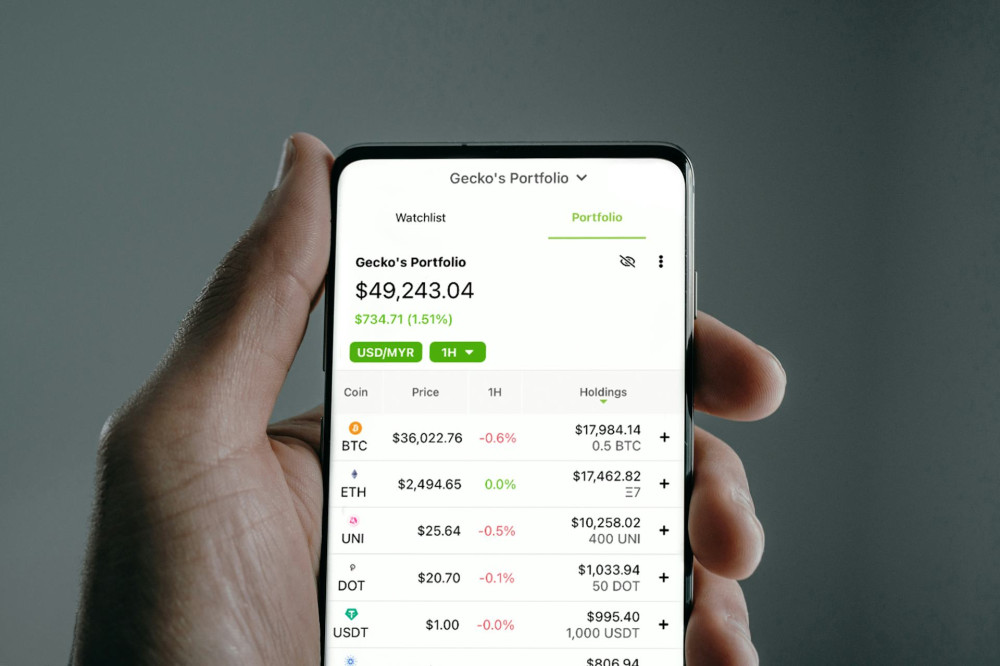
One of the biggest sources of investment stress is how often we look at our portfolios. The more frequently you check, the more volatility you’ll see—and the more tempted you’ll be to make emotional decisions.
Try setting specific times to review your investments, such as once a month or once a quarter. This gives you a clearer picture of long-term progress and helps you stay focused on your goals.
If you use an investing app, consider turning off notifications so you’re not constantly reminded of every market fluctuation.
Choose Your Information Sources Wisely
There’s no shortage of financial news, podcasts, newsletters, and YouTube channels about investing. Some are insightful and educational; others thrive on hype and fear. Choose a few reliable sources you trust, and resist the urge to chase every new opinion.
A good approach is to combine broad overviews with deeper analysis. For example, follow a weekly market summary and supplement it with research on the sectors or funds you invest in.
Remember, no one can predict the future—not even the experts. Use information as guidance, not gospel.
Automate Where You Can
Automation is one of the easiest ways to remove stress from investing. By setting up automatic monthly contributions to your investment accounts, you eliminate the need to make constant decisions. It helps you stay consistent, even when markets are volatile.
Many U.S. brokerages and retirement accounts, such as 401(k)s and IRAs, allow automatic contributions and reinvestment of dividends. Some even offer automatic rebalancing. These tools save time and reduce the risk of emotional decision-making.
Accept That Volatility Is Normal
Even the best strategy can’t eliminate risk. Markets go up and down—that’s part of the process. The key is to accept that volatility is normal and doesn’t necessarily mean you’ve made a mistake.
If you have a long-term plan and a diversified portfolio, short-term drops are rarely a reason to panic. In fact, downturns can be opportunities to buy quality investments at lower prices.
Investing without stress means trusting your plan and giving time the chance to work in your favor.
Make Investing Part of Life—Not Your Whole Life
Investing should be a tool to help you reach your goals, not a source of constant worry. Once you’ve set your strategy, automated your contributions, and chosen your information sources, you can let the market do its thing most of the time.
Focus your energy on what you can control: your savings rate, your spending habits, and your patience. That’s where the real rewards lie—both financially and mentally.
Læs også: