Make Paying Off Debt More Motivating with Gamification in Finance Apps


Make Paying Off Debt More Motivating with Gamification in Finance Apps
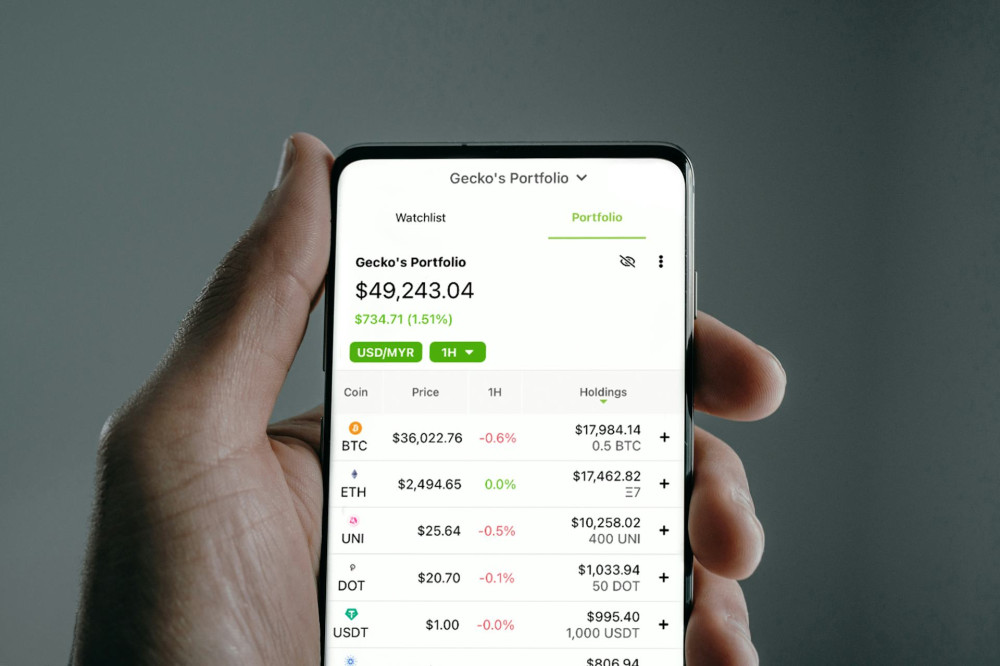
Paying off debt rarely feels exciting. It takes patience, discipline, and often years of steady effort before the results truly show. But what if the process could be more motivating—or even fun? A growing number of personal finance apps in the U.S. are turning to gamification—the use of game-like elements such as points, levels, and rewards—to help users stay engaged and committed as they work toward becoming debt-free.
When Finance Meets Game Mechanics
Gamification applies the same psychological triggers that make games engaging to areas that aren’t traditionally playful. In finance apps, that might mean earning points for making on-time payments, unlocking new features as you hit milestones, or seeing visual progress bars that show how close you are to paying off your loans.
These small design choices tap into the human desire for progress and achievement. When financial goals become more tangible and visually rewarding, it’s easier to stay consistent and motivated—even when the journey is long.
Læs også:



Small Wins That Add Up
One of the biggest challenges in paying off debt is that progress can feel invisible. You might make payments for months without seeing a dramatic change in your balance. Gamification helps by breaking the process into smaller, more satisfying steps.
Some apps turn debt repayment into a visual journey—like climbing a mountain or filling a progress map—where each payment moves you closer to the summit. Others award digital badges for milestones such as paying off 10% of your total debt or completing three months of on-time payments. These small victories create a sense of accomplishment that keeps users moving forward.
Competition and Community
For many people, a little friendly competition can be a powerful motivator. That’s why some finance apps now include social features that let users share progress, join challenges, or compete in savings and debt-reduction goals. For example, you might join a “No-Spend Week” challenge or a group goal to pay down a certain amount of debt by the end of the month.
While money is often considered a private matter, community support can make a real difference. Seeing others face similar challenges—and succeed—can help users feel less isolated and more inspired to keep going.
Rewards That Make Sense
Gamification isn’t just about digital points or badges. Some apps connect in-app achievements to real-world benefits, such as cashback rewards, access to financial coaching, or even lower interest rates for consistent on-time payments. These tangible incentives can make the process feel more meaningful and rewarding.
However, the best rewards are those that reinforce healthy financial behavior. A reward that encourages spending, for instance, could undermine the goal of debt reduction. The most effective systems focus on building long-term financial responsibility and confidence.
The Risks of Turning Money into a Game
While gamification can be a powerful motivator, it’s not without risks. If the game mechanics become too dominant, users might focus more on “winning” than on understanding their finances. The goal should always remain financial stability—not just collecting points or badges.
That’s why the most successful apps use gamification as a supplement, not a substitute, for financial education. They combine playful elements with tools that help users learn about budgeting, interest rates, and smart repayment strategies.
The Future of Finance Apps: Motivation That Feels Human
Gamification is part of a broader movement to make financial technology more human-centered. Instead of scolding users for overspending, apps can encourage positive behavior through feedback, progress tracking, and small, meaningful wins.
When paying off debt becomes a process you can visualize, celebrate, and feel proud of, you’re far more likely to stick with it. And that may be the real promise of gamified finance apps: turning financial responsibility from a chore into a challenge you actually want to complete.
Læs også: